5 hidden leaks in your invoicing process and how to fix them
Sending an invoice is one thing. Making sure it reaches the right person, is easy to pay, and is followed up correctly is quite another. After all, between being sent and getting paid, an invoice can sometimes go on a bit of an odyssey. Even in a well-designed invoicing process, things don't always go as planned. Contact details change, customers respond differently than expected, payments come in through different channels, and exceptions often still require manual follow-up. That’s where small leaks can emerge, quietly creating extra work and unnecessary costs.

Think of an email that never arrives. A customer who puts off payment because the process is too cumbersome. An installment plan that stalls after a few payments. Or a reminder sent for an invoice that has already been paid.
The result? Delays in cash flow, unnecessary costs, extra administration, and customer frustration.
Here are 5 common leaks and how you can fix them.
1. Your invoice has been sent, but never reaches the customer
More and more invoices are being sent digitally. It makes sense: email is fast, inexpensive, and easy. But what if the email address is incorrect? Or if a message is delivered but never opened?
Sent does not necessarily mean received. Let alone paid.

A smart invoicing flow therefore takes into account not only the channel used, but also what happens afterward. With POM, automatic follow-up actions can be set up when a previous action doesn't have the desired result. If an email is not opened or fails to arrive, the system can automatically switch to a different communication channel.
At the same time, you can address the underlying problem: missing or incorrect contact details. For example, a QR code on a paper document can lead customers to a page where they can update their information and provide consent to receive future invoices digitally. New or corrected details can then be synced back to the underlying ERP system.
This way, every paper invoice becomes an opportunity to improve your data and move future communication to digital channels.
2. Your customer wants to pay, but you are making it unnecessarily difficult
There are many reasons why an invoice may not be paid on time. Sometimes customers are experiencing financial difficulties, and sometimes an invoice is simply forgotten. But the payment experience itself can also play a role. And that’s something you can relatively easily improve as an organization.
Typing in an account number, copying a structured reference... every extra step creates an additional barrier to paying straight away.
When someone wants to pay, you should make it as easy as possible for them.
With a unique payment link or QR code customers can go directly from the invoice to the payment page. The amount, account number, and structured payment reference are pre-filled correctly. You can also offer different payment methods so that customers can choose the option that works best for them.
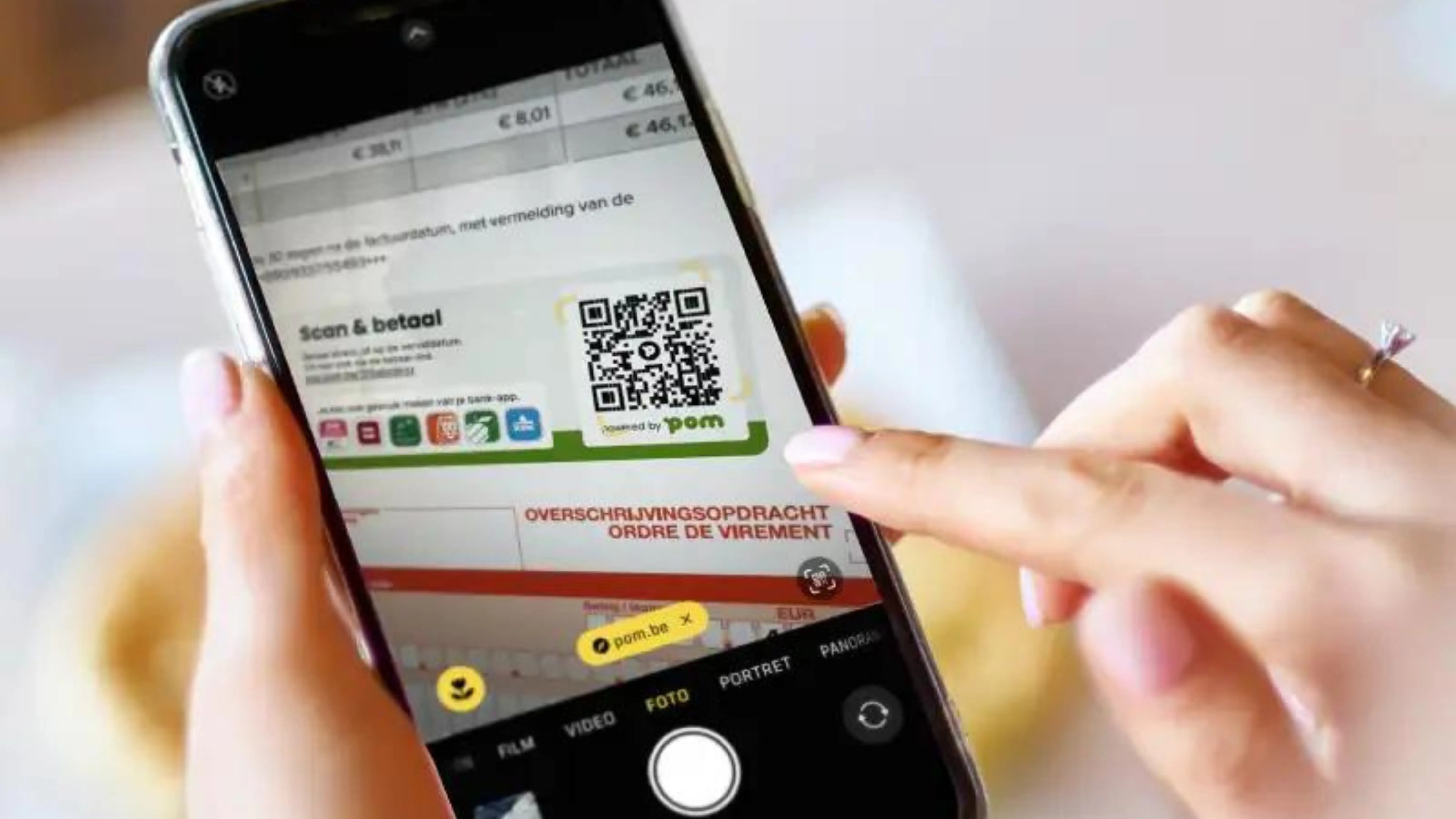
Alongside immediate payment, you can also offer more flexible options. For example, a customer can choose to pay only on the due date, recurring payments can be collected automatically, or an installment plan can be set up.
3. You agree on an installment plan, but the payments stop
Not every customer can pay an invoice in full straight away. An installment plan can be a good solution: the amount becomes more manageable for the customer and the organization gets greater certainty about future payments.
With traditional installment plans, customers are often expected to make each monthly payment themselves. If a payment is forgotten, it requires follow-up: checking what’s outstanding, getting in touch, and prompting the customer to pay again.
There's an easier way. With POM, the customer pays the first installment themselves, after which the subsequent installments can be collected automatically. Even if a collection fails, the follow-up can be automated.
4. You send reminders, but don't know which approach works best
When do you send a first reminder? Does a friendly tone work better than a more direct message? Which channel works best? And does the time you send a message make a difference?
Many organizations have developed a standard approach over the years. But "that's how we've always done it" does not necessarily mean that this approach also delivers the best results.
With POM, you can A/B test different wording, tones of voice, or send times. You can then objectively compare which variant performs best, for example in terms of payment speed, number of payments, and total amount paid.
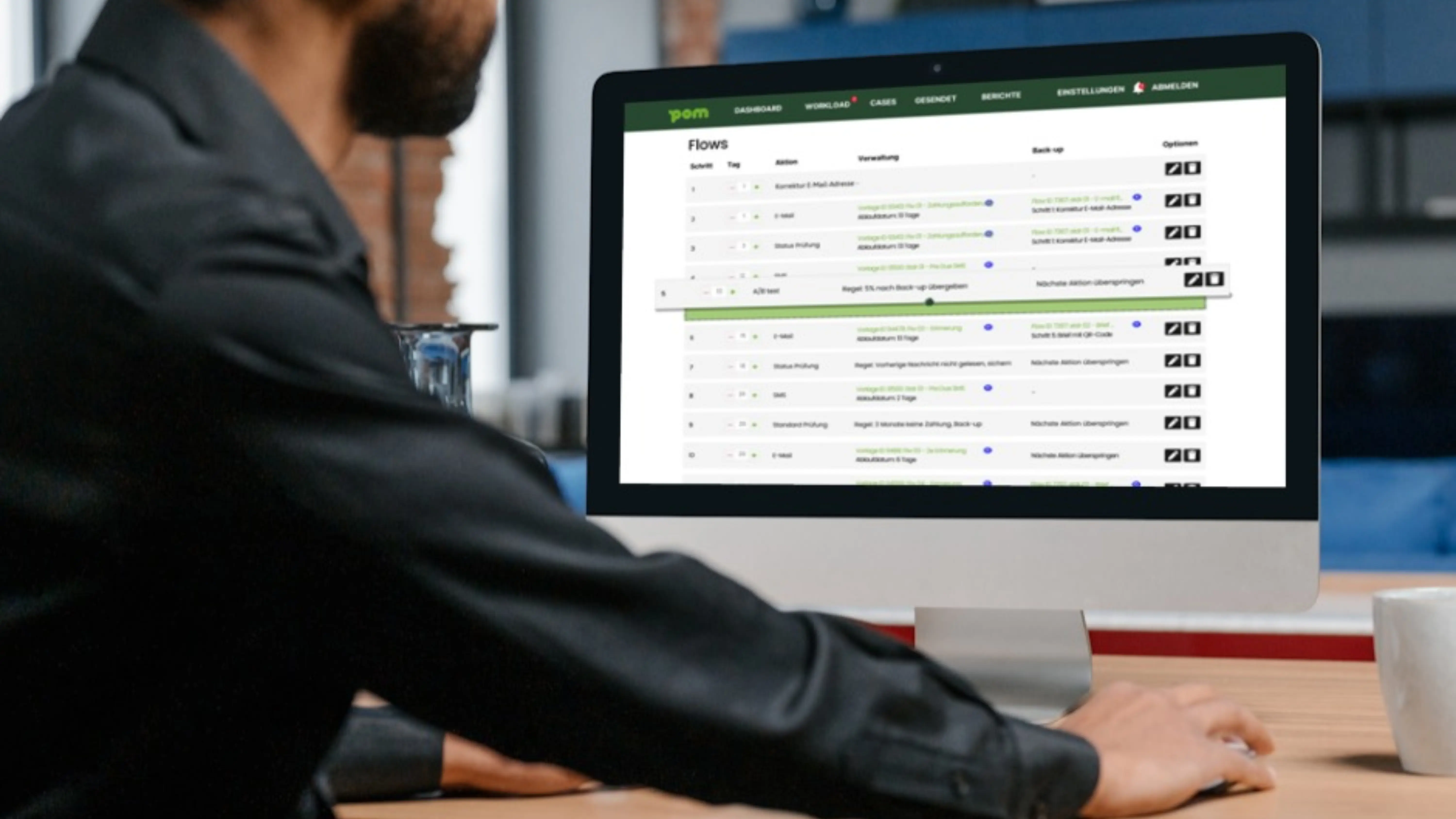
With our AI module, you can take this a step further. Based on historical payment behavior, the system can estimate which combination of communication channel, tone of voice, and delivery time is most likely to result in payment. The most suitable approach is then automatically selected, within the parameters you define as an organization.
This means you no longer have to rely on gut feeling to decide how best to follow up with customers, but can instead measure, adjust, and continuously optimize.
5. Your customer has paid, but still receives a reminder
Few things are more frustrating for a customer as receiving a payment reminder for an invoice that has already been paid.
This can happen when a received payment is not processed in time by the system that manages payment follow-up. For example, a bank transfer may already have reached your account but has not yet been processed in the system that triggers the next reminder.
The result? An unnecessary reminder, potentially an extra phone call or email to customer service, and above all, customer frustration.
That's why it's important that follow-ups are always based on the most up-to-date payment status. POM can automatically feed payments back into your ERP or accounting software. Even manual bank transfers can be synchronized, ensuring that reminder flows are always based on the correct payment status.
Payments made through POM are also always linked to the correct reference, allowing them to be processed automatically.
Smarter invoicing often comes down to the details
A more efficient invoicing process doesn't necessarily mean more communication, more reminders or more follow up. Often quite the opposite.
It’s about knowing what’s happening along the way. Has the invoice arrived? Are the contact details correct? Has the customer already paid? Is a payment plan still on schedule? And which next action has the highest chance of success at that moment?
That allows you to follow up more effectively and automate where it makes sense. Not doing more, but doing the right thing at the right time.
The result? Less manual work and fewer unnecessary costs, a better payment experience, and more invoices paid on time.
Curious where your invoicing process could be smarter? Discover what the POM platform can do.