How Heilig-Hartziekenhuis Lier removes payment barriers
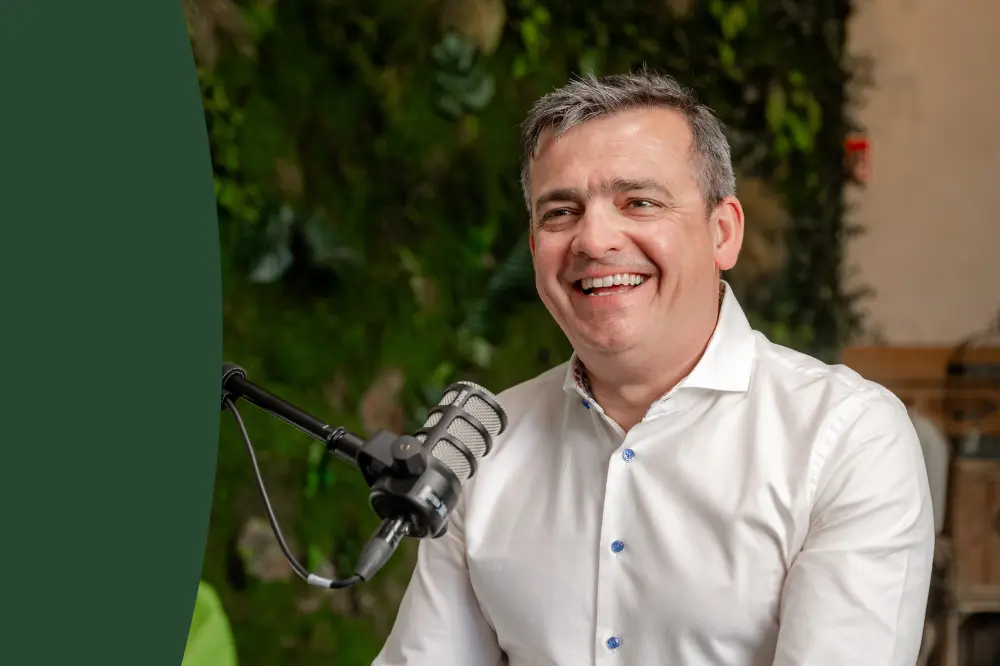
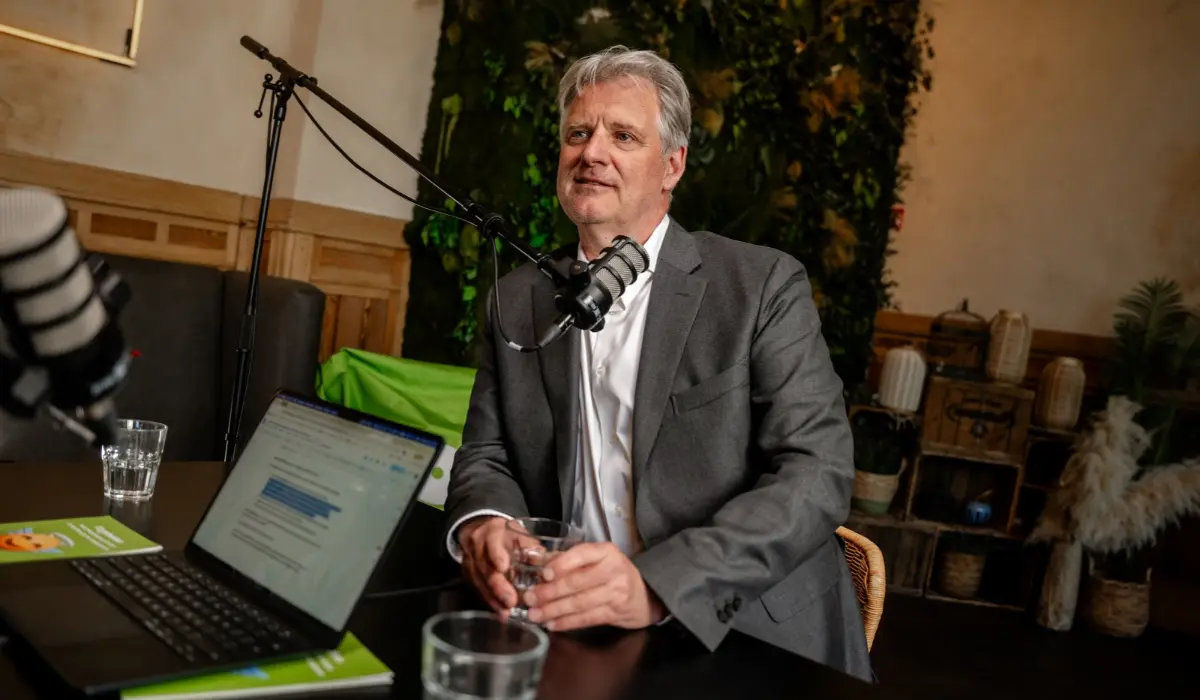
How can you encourage patients to pay their hospital bills faster? And how do you follow up with patients who are struggling financially? At Heilig-Hartziekenhuis Lier, convenient digital payment options go hand in hand with a human approach. And it's making a difference: digital invoices are paid an average of 10 days sooner than paper invoices. In the latest episode of the POMcast, CEO Stefaan Vansteenkiste shares his experiences and insights.
With razor-thin margins, healthy cash flow is essential
Hospitals operate with extremely small margins. At Heilig-Hartziekenhuis Lier that margin is barely 1%. A healthy cash flow is therefore essential for daily operations.
Moreover, hospitals often face delays in billing. Due to complex medical billing regulations, patients sometimes receive their invoices weeks or months after their treatment.
When the invoice finally reaches the patient, it is important that payment is not unnecessarily delayed.
And that is where ease of payment plays a major role. Because every extra step in the payment process is a potential reason to set the invoice aside for a moment, with the risk that the payment is subsequently forgotten.
Digital invoices are paid 10 days faster on average
The Heilig-Hartziekenhuis Lier is therefore focusing on a combination of paper and digital invoicing. Patients can easily pay their invoices online via a QR code on the paper invoice or a payment button in the email.
The payment details are pre-filled and cannot be changed. This means patients do not have to copy account numbers or structured payment references, and errors from manually entering payment details are eliminated.
This approach is clearly paying off. Digital invoices are paid 10 days faster on average than paper invoices.
But the hospital also notices a difference in payment follow-up. Since partnering with POM, it has to send fewer payment reminders. This not only saves time but also reduces the costs of following up on outstanding invoices.
Real-time visibility into payment status
In addition to payment convenience for patients, POM's digital delivery platform also offers many benefits for the billing department staff.
Thanks to real-time tracking, they have a clear view of the payment status of invoices at any time. This makes it easy for them to check which invoices have been paid and which are still outstanding, making administration more organized and efficient.
Moreover, staff can assist patients with questions more quickly because they can immediately see what communication was sent and when, as well as the current payment status of the invoice.
According to Stefaan, this real-time tracking is also highly motivating: staff can see payments as they come in, giving them immediate insight into the results.
Not every unpaid invoice has the same cause
Of course, not every patient who fails to pay their invoice has simply forgotten. Some patients do not have the financial means to pay their hospital bill (on time).
And that is precisely where a hospital's social responsibility plays an important role.
Heilig-Hartziekenhuis Lier takes these different situations into account during follow-up. The hospital uses a system of color codes in the electronic patient record. Depending on the situation, the social services department can be brought in, a doctor can be involved, or the patient can be contacted directly.
Payment plans are also available.
Efficient follow-up of outstanding invoices is important, but it must also take the patient's financial situation into account. Technology can remove many barriers, but it does not replace a human approach.
Removing payment barriers starts before the invoice
Another important point of focus is clear information about costs.
Patients often receive their hospital bill quite some time after their treatment. When the final cost turns out to be higher than expected, it can lead to unpleasant surprises.
That is why Heilig-Hartziekenhuis Lier also tries to inform patients as well as possible in advance about the costs they can expect.
Think, for example, of the price difference between a private room and a shared room. By providing a cost estimate in advance, patients have a better understanding of their financial situation.
Because removing payment barriers doesn't just start when the invoice is sent. Clear and transparent communication beforehand is also part of a good billing process.
___
🎧 Curious about the full conversation with Stefaan Vansteenkiste? Watch or listen to the full episode (in Dutch) via YouTube, Spotify or Apple Podcasts.